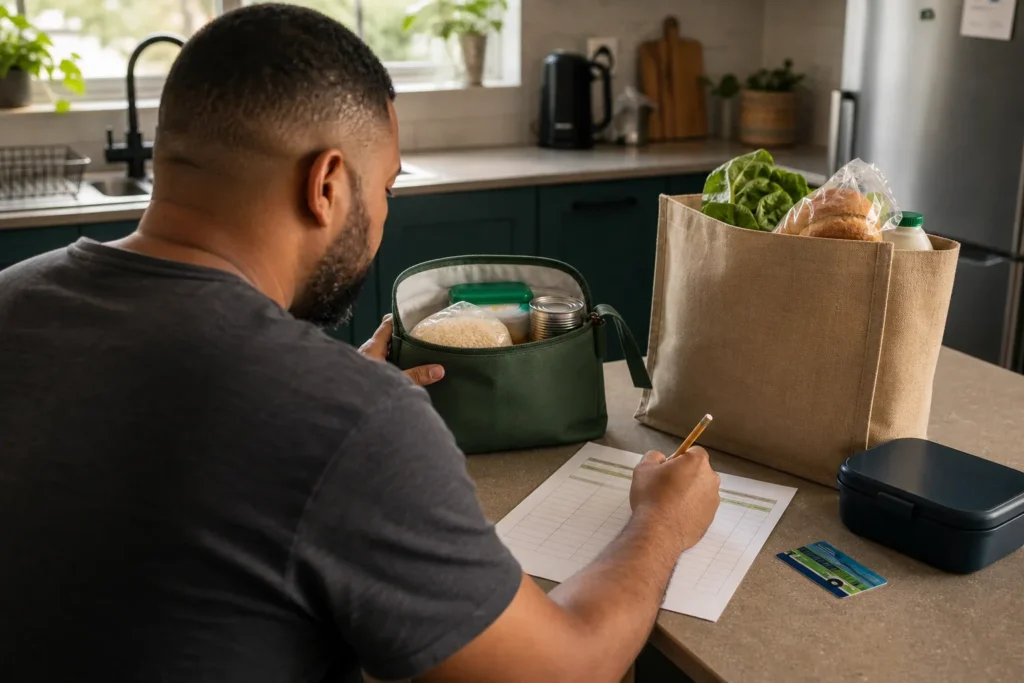
Debt review scams South Africa: warning signs
When money is tight, a message promising immediate relief can be hard to ignore. Debt review scams South Africa can take many forms, from convincing online adverts to unexpected calls, messages or emails that ask for a payment or private information. A genuine conversation about debt should give you space to understand the process, ask questions and consider your options. It should not make you feel that you must decide within minutes.
Being careful does not mean you have to manage financial pressure alone. It means taking a few calm steps before you share information, sign anything or send money. This guide explains the warning signs to look for, the questions that can bring clarity and the practical steps to take if an offer does not feel right.
Debt review scams South Africa: advertising warning signs
Debt review scams South Africa often begin with advertising that sounds simple, urgent and guaranteed. The wording may focus on stopping all your problems instantly, rather than explaining what support involves and whether it suits your circumstances. An advert is not proof that the business behind it is trustworthy, so treat it as the beginning of your checks, not the end of them.
Be cautious when an advert makes a result sound certain before anyone has understood your income, expenses, creditors and existing commitments. A structured repayment solution depends on a person’s individual financial position. No responsible provider can properly explain what may be possible without first gathering enough information and discussing the limits of the process.
Promises that leave no room for your circumstances
Words such as “guaranteed approval”, “instant clearance” or “one simple payment with no questions asked” should make you pause. They can distract from important details, including fees, timeframes, creditor arrangements and the effect of entering a formal debt-help process. Clear information is more useful than a dramatic promise because it helps you compare an offer with your actual needs.
Also look at what the advert does not say. Does it identify the business, explain how you can contact it through more than one channel and describe the service in plain language? If the message only contains a form, a messaging number and a countdown, ask for written information before you do anything further. Recognising debt review scams South Africa starts with noticing when an advert avoids the practical details you need to make an informed choice.
Pressure is a warning, not a reason to rush
Scammers commonly try to shorten the time you have to think. They may say a special arrangement expires today, that an account will be handled only if you pay now, or that you must keep the conversation secret. Pressure makes it harder to notice gaps in an offer, so slow the interaction down.
You are entitled to ask for time to read information and discuss it with someone you trust. Save screenshots of adverts and messages, including the profile name, phone number, date and payment instructions. These details can help you compare what was said later if the story changes.
Look for clear, consistent contact details
A legitimate business should be able to provide a name, physical or business contact details and a clear explanation of its service. Compare the details in the advert with those on the organisation’s own website and other public channels. Small differences in spelling, email addresses or account names can matter, especially when the person contacting you claims to represent an established company.
Do not rely only on a link sent in a message. Instead, type a known website address into your browser yourself or use contact details you have independently found. This reduces the chance of being directed to a lookalike page designed to collect your details.
Verify debt review scams South Africa before you pay
Debt review scams South Africa can become more convincing once a caller sounds knowledgeable about repayments or credit. Verification is about checking the offer independently, not trying to judge whether a persuasive person sounds genuine. Take notes during the conversation and ask for the key terms in writing.
Start by asking who is providing the service, what exactly they will do and what information they need from you. Request a written explanation of any costs, how and when they are payable, and what you receive in return. If the person avoids direct answers, gives only verbal assurances or changes the explanation, do not send money while those questions remain unanswered.
It can help to separate a marketing claim from a documented service. For example, an offer to combine payments may use the language of Debt consolidation, but you still need to understand the arrangement, its costs and its effect on your situation. A familiar term does not make every offer identical.
Check claims through independent channels
Use contact details you find separately to check whether an organisation recognises the person, advert or reference number you were given. If a caller says they represent a creditor, bank or another business, end the call and contact that organisation through a number from an official statement or website. Do not use the number supplied by the unexpected caller to perform the check.
For general background on the financial sector, you can consult material published by ASISA and the Banking Association South Africa. These sources do not replace checking the specific offer you received, but independent information can help you approach claims with better questions. Keep records of whom you contacted, when you did so and what they confirmed. This approach is particularly useful when debt review scams South Africa use familiar names or terms to appear credible.
Understand payment requests before transferring funds
A request for an upfront payment deserves careful attention, particularly if it comes before clear written information or a proper discussion of your circumstances. Ask what the payment is for, who will receive it, whether it is refundable and what documents support the request. A person who becomes hostile when you ask ordinary questions is giving you useful information about the interaction.
Never treat a payment instruction as trustworthy simply because it includes a company name or logo. Confirm the account name and payment details independently through an established channel. Be especially cautious if you are asked to pay into an account held in an individual’s name, to use a money-transfer service, or to send proof of payment through an unfamiliar messaging account.
How debt review scams South Africa use personal data
This section focuses on debt review scams South Africa. Private information has value, even when no money changes hands immediately. A dishonest caller may collect enough details to attempt further impersonation, target you with more convincing messages or access parts of your financial life. Share only what is necessary after you have verified who you are dealing with and understand why the information is needed.
Be particularly protective of identity numbers, copies of identity documents, banking login details, card numbers, PINs, one-time passwords, account balances and full bank statements. Debt review scams South Africa may use these details to make later contact seem more believable or to attempt access to your accounts. A legitimate discussion may require financial information at an appropriate stage, but you should know who receives it, how it will be used and how it will be handled. Never share passwords, PINs or one-time codes in response to an unsolicited call, text or email.
Use safer ways to continue a conversation
If you want to explore debt-help options, begin through a website or contact channel you have verified yourself. Before uploading documents, check that you are on the intended site and that you have not followed a misleading link. Keep your documents on your own device rather than sending extra copies repeatedly through different messaging platforms.
It is also sensible to limit what you reveal in an initial enquiry. You can explain the broad issue and ask how an assessment works before providing detailed documents. A clear provider should be able to explain the next step without demanding every sensitive detail at the first contact.
Watch for impersonation after your enquiry
Once you have asked for help online, be alert for messages claiming to follow up on your request. Confirm that the sender uses the contact details and channels you expect, and be wary of a sudden instruction to change bank accounts or send documents elsewhere. If anything changes, pause and verify it directly.
Searching for best debt review companies can be a useful starting point when you are comparing providers, but a search result should still be followed by direct checks. Read the service information carefully, ask how your circumstances will be assessed and make sure you understand the communication process. Taking time at this stage can protect both your information and your ability to make a considered choice.
What to do when an offer feels wrong
Trust the feeling that something does not add up. You do not need to prove that an offer is fraudulent before you stop replying, decline a payment request or ask for written information. A short pause can prevent a rushed decision and give you time to get independent clarity.
Debt review scams South Africa may involve repeated calls, changing explanations or messages from several numbers. Do not argue with the person or send further documents to persuade them to stop. Keep a record, block the contact where appropriate and use verified channels to check any claim involving your accounts or creditors.
If you have not yet paid or shared details
Stop the conversation and save the evidence you already have. This can include screenshots, emails, call logs, the payment request and the website address. Then contact the organisation the caller claimed to represent using independently found contact details, and explain what you received.
Do not delete the material simply because it feels embarrassing or inconvenient. A clear record makes it easier to describe the situation if you decide to report it or need to check whether a message was genuine. Avoid opening further links from the same sender while you are verifying the matter.
If you have sent money or sensitive information
Act promptly by contacting your bank through a verified number or secure channel and explaining what happened. Ask what immediate protective steps are available for the account or transaction. Change passwords for affected accounts, especially if you shared any login information or used the same password elsewhere.
Keep a written timeline of the contact, the information shared and any payments made. You may also wish to report the matter through the appropriate official channels and follow the guidance you receive. Debt review scams South Africa can be easier to explain to a bank or reporting channel when you have preserved the messages, dates and payment instructions. Fast action cannot guarantee an outcome, but it can help you regain control of the situation and create a clear record.
Frequently asked questions
1. Can a debt-help provider promise that every problem will be solved immediately?
Be cautious of immediate or guaranteed outcomes. A responsible discussion should take account of your income, expenses and existing commitments before setting expectations. Ask for a clear explanation of what the service can and cannot do in your circumstances.
2. Should I pay before I receive written information?
Do not let urgency replace understanding. Ask what the payment covers, who receives it and what written terms support the request before transferring funds. If those answers are unclear, pause and verify the business independently.
3. Which details should I never share in an unexpected message?
Never share passwords, PINs or one-time verification codes with an unexpected caller or sender. Treat copies of identity documents, banking details and statements with care as well. Only provide sensitive information once you have verified the recipient and understand why it is required.
4. How can I check whether a caller really represents a business?
End the unexpected call and use contact details you obtained independently. Ask the business whether it recognises the person, message or reference number involved. Do not use a phone number or link supplied by the caller for the verification.
5. Are debt review scams South Africa only found on social media?
No. Misleading approaches can arrive through social media, search adverts, phone calls, texts, emails or messaging apps. Debt review scams South Africa can use any channel where a person may feel rushed, uncertain or concerned about repayments. The channel matters less than the behaviour, such as pressure, secrecy, vague costs or unsafe requests for information. Apply the same checks wherever the offer appears.
6. What should I save if I suspect a scam?
Keep screenshots, emails, message histories, call logs, payment details and the website address. Note dates, names used and the exact claims made. This information can help your bank, the genuine organisation or an official reporting channel understand what happened.
Quick checks before you respond to a debt-help offer
Use these steps before sharing documents, banking details or making a payment.
✓ Pause when you feel pressured
A demand to act immediately is a reason to slow down and ask for written information.
✓ Verify the contact independently
Use contact details you found yourself rather than a number or link supplied in an unexpected message.
✓ Ask for costs in writing
Understand what any payment covers, who receives it and what service you will receive.
✓ Protect account access
Never share passwords, PINs or one-time verification codes with an unsolicited caller or sender.
✓ Keep a record
Save messages, screenshots, payment instructions and dates in case you need to check or report the contact.
Choose clarity before sharing details
A genuine debt conversation should help you understand your position, not force a quick payment or expose your private information. By slowing down, requesting written terms and checking claims independently, you can recognise debt review scams South Africa before an offer causes further harm. Clear questions and careful verification leave you better placed to consider a realistic way forward. If you would like to understand your debt options, contact Cyberfinance for a clear discussion of your individual situation.